

THE WORK
a deeper path to peace
SUPPORTING YOU IN FINDING clarity, STABILITY AND LASTING peace,
This work is an intentional process of understanding yourself—your mind and brain, body and nervous system, and the patterns and beliefs that shape how you think, feel, and respond to life.
Together, we identify patterns that may be keeping you stuck while building awareness of how your brain and nervous system respond to stress. As that awareness grows, so does your ability to slow down, think more clearly, and respond with intention rather than react on autopilot.
This is where meaningful change begins—less overwhelm, more clarity, and greater steadiness and peace in how you move through life.
Ashley’sMethod:
MIND + BRAIN
Thoughts • Beliefs • Patterns
The brain is constantly learning and adapting to experiences. The thoughts we repeatedly engage, the beliefs we develop, and the patterns we practice can influence how we perceive ourselves, others, and the world around us. Through reflective inner work, we explore patterns operating both consciously and outside of immediate awareness. The goal is not simply insight, but learning to recognize what is shaping your responses, challenge patterns that may be keeping you stuck, and practice healthier ways of thinking and responding.
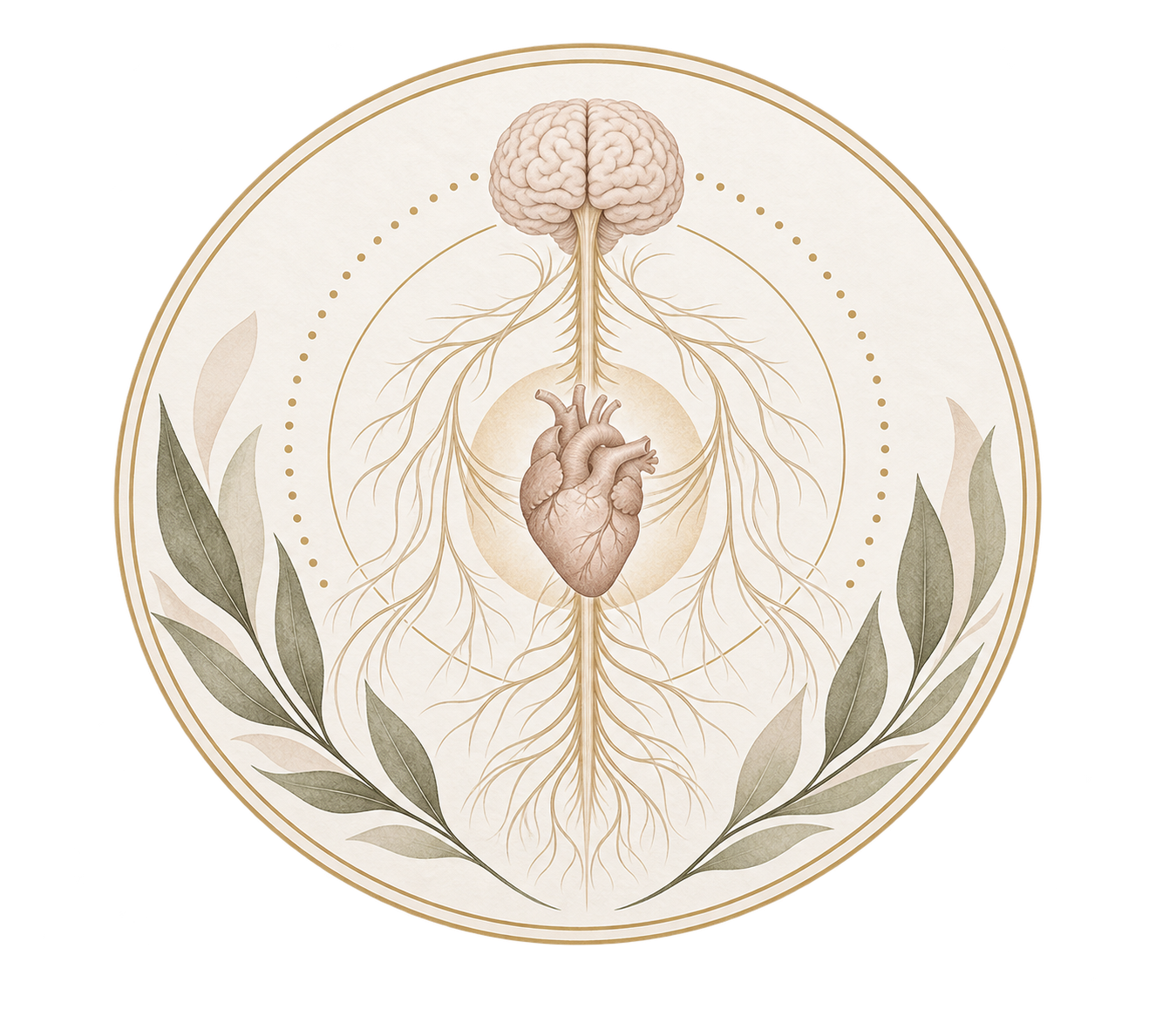
BODY Nervous System • Emotions • Somatic
We experience life not only through our thoughts, but through our bodies. Stress can show up as tension, a racing heart, restlessness, shutting down, or reacting before we've had time to think. Through somatic and nervous-system education, we build awareness of these responses and practice staying present when difficult emotions arise. Rather than trying to eliminate discomfort, the goal is to develop greater regulation, flexibility, and resilience—so you can experience emotion without automatically being driven by it.
In Person or Virtual Sessions

SOUL
Identity • Meaning • Truth
Our inner lives shape how we understand ourselves, our experiences, and the world around us. Through deeper reflection and spiritual exploration, we create space to examine questions of identity, meaning, values, and truth, including the beliefs and experiences that have shaped who you are. This work invites greater discernment around what you believe, what you value, and where you place your trust—helping you become more grounded in what matters, discern what is true, and live with greater clarity, intention, and peace.



WHAT BECOMES possible
-
Learn to recognize your body's stress responses and develop practical ways to return to greater steadiness. Over time, this can increase your capacity to experience difficult emotions without automatically reacting from them.
-
Explore the thoughts, beliefs, behaviors, and learned responses that may be influencing your life outside of immediate awareness. Awareness creates an opportunity to interrupt familiar patterns and practice something different.
-
Develop a clearer understanding of what you're feeling, what may be contributing to it, and how emotion shows up in your body. The goal isn't to suppress emotion, but to respond to it with greater awareness and choice.
-
The brain is capable of learning and adapting throughout life. Through awareness, repetition, and new experiences, we can begin practicing healthier responses rather than remaining locked into familiar patterns.
-
Different parts of us can carry competing fears, beliefs, needs, and protective strategies. Parts-oriented work helps you approach these experiences with curiosity, understand what may be driving them, and respond with greater wisdom rather than being controlled by them.
-
Learn to notice the physical signals that accompany stress, emotion, and familiar reactions. Greater awareness of what's happening in your body can help you slow down and create space before automatically responding.
-
Recognize patterns learned through family, relationships, and life experiences that you no longer want to carry forward. Understanding where a pattern came from can be helpful—but the deeper work is learning how to respond differently now.
-
Build your capacity to move through stress, uncertainty, disappointment, and difficult emotions without becoming as easily overwhelmed. Resilience isn't the absence of discomfort; it's developing greater flexibility in how you meet it.
-
Become more aware of repetitive thoughts, assumptions, and beliefs that influence how you interpret yourself and your circumstances. Learn to examine them more clearly and practice ways of thinking that are healthier and more grounded in truth.
-
Explore the patterns influencing how you communicate, connect, people-please, withdraw, overfunction, or set boundaries. Greater self-awareness can create healthier ways of relating to both yourself and others.
-
Many of our responses become automatic through repetition and experience. This work helps you notice those automatic reactions sooner so you can create more space between what happens and what you choose to do next.
-
When we're overwhelmed, fearful, or emotionally activated, it can be difficult to see situations clearly. Developing greater awareness and steadiness can help you discern what matters, challenge unhelpful assumptions, and make more intentional decisions.
-
Develop greater confidence in your ability to navigate emotions, make thoughtful decisions, communicate clearly, and move through difficult situations. The goal isn't perfect certainty—it's becoming more grounded in how you respond.
-
Insight is valuable, but change is strengthened through practice. We focus on translating what you understand about yourself into new responses, behaviors, boundaries, and ways of moving through everyday life.